
Empowered Services

Skip to page content

Our Regional Care Model · Oregon I/DD support

Statewide reach. Care that still feels close to home.

Empowered Services organizes support by region and county so you are not lost inside a statewide system. You have a named care team, clear county accountability, and people who stay connected to your support, caregiver, questions, and next steps.

Named care team by countyClear escalation when concerns need more supportApproved plan guides services
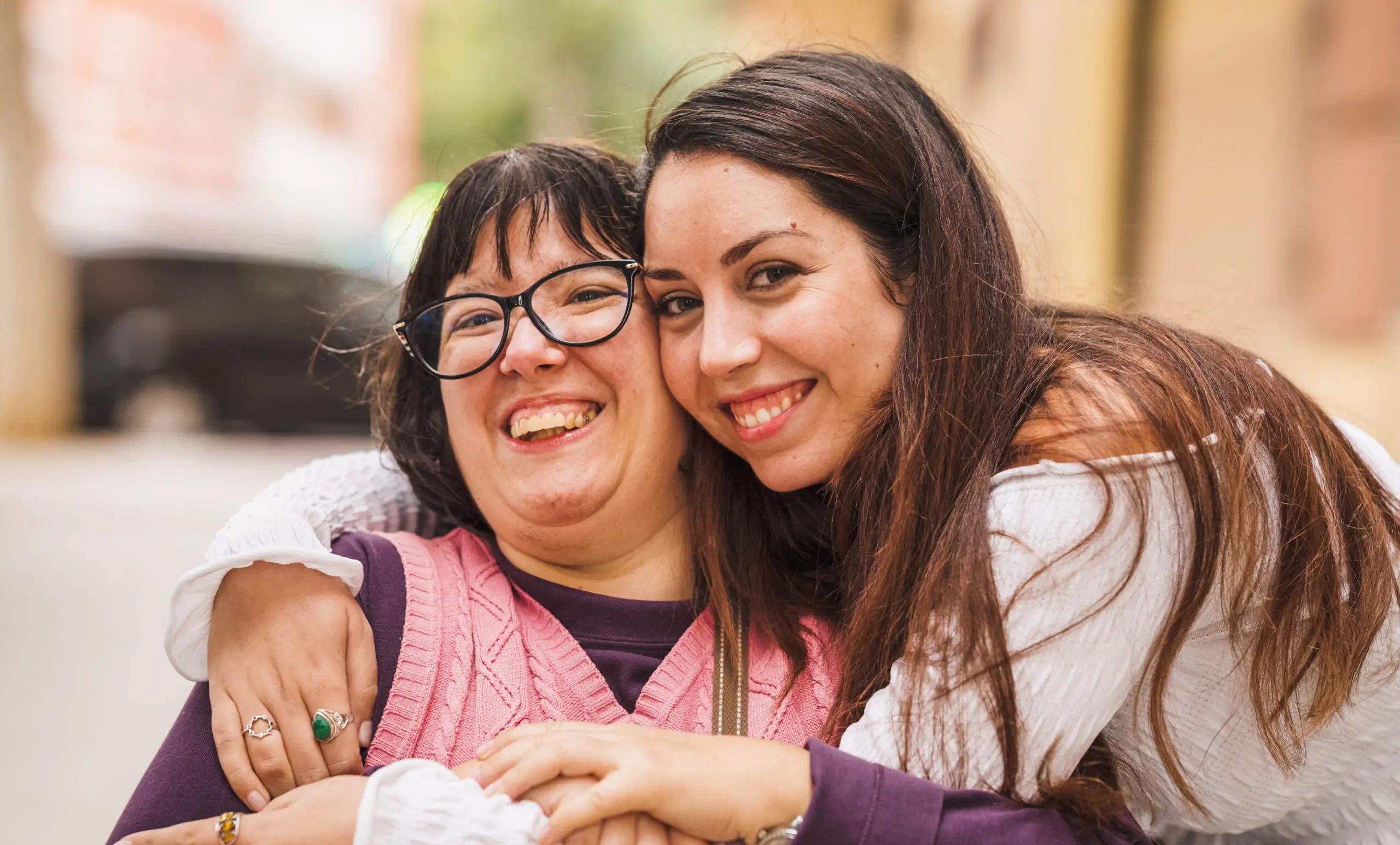
Two women smiling together outdoors
County accountabilityA clear owner for care and DSP outcomes
Regional connectionLocal resources, relationships, and escalation support
36 countiesStatewide service inquiries
Regional leadershipCare quality + community connection
County ownershipCare Manager accountability
Frontline follow-throughCare Coordinator support

One care model across services

Your care team stays connected to the support in your plan.

The Regional Care Model is how Empowered organizes people, accountability, communication, and follow-through around authorized services. It does not change what your approved plan authorizes.

Attendant CareDaily Living SkillsRelief CareOn-the-Job Attendant CareDay Support Activities · adultsCommunity Transportation · adults

Your approved plan determines the staffing level, setting, services, and activities that may be provided. Empowered Services does not determine I/DD eligibility or authorize service hours.

County-based care

Find the regional team connected to your county.

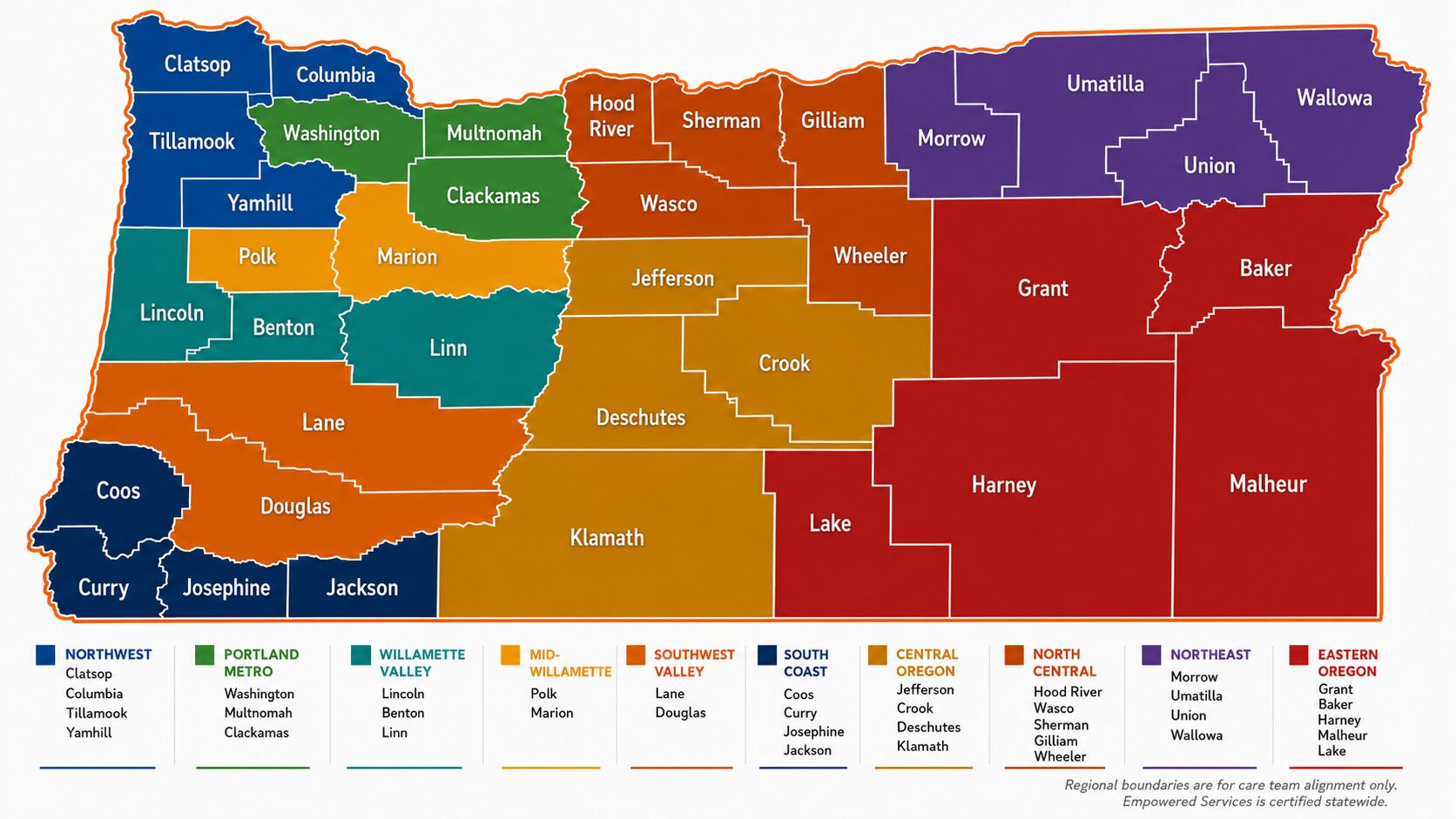
Every Oregon county is connected to an Empowered regional care team. The map helps you see how counties are grouped for regional leadership and local relationship-building.

Important: Empowered’s regional teams are our care-coordination structure. They do not replace your CDDP, brokerage, Services Coordinator, or Personal Agent.
Oregon counties grouped into Empowered Services regional care teams
Statewide reach · county-based accountability · regional connection

Regional directory

Regions, counties, and the communities people call home.

Use this directory for geographic orientation. Each county belongs to one Empowered regional care team. Major communities are shown in brackets so customers, families, caregivers, and partners can quickly recognize where a county sits.

NorthWest

  • Clatsop County [Astoria · Seaside · Warrenton · Cannon Beach · Gearhart]
  • Columbia County [St. Helens · Scappoose · Rainier · Clatskanie · Vernonia]
  • Tillamook County [Tillamook · Pacific City · Bay City · Garibaldi · Rockaway Beach · Manzanita]
  • Yamhill County [McMinnville · Newberg · Dundee · Carlton · Amity · Sheridan]
Portland Metro

  • Washington County [Hillsboro · Beaverton · Tigard · Tualatin · Forest Grove · Sherwood · Cornelius]
  • Multnomah County [Portland · Gresham · Troutdale · Fairview · Wood Village]
  • Clackamas County [Oregon City · Lake Oswego · West Linn · Milwaukie · Happy Valley · Canby · Wilsonville · Sandy · Molalla]

Willamette Valley

  • Lincoln County [Newport · Lincoln City · Toledo · Waldport · Depoe Bay · Siletz]
  • Benton County [Corvallis · Philomath · Monroe · Adair Village]
  • Linn County [Albany · Lebanon · Sweet Home · Brownsville · Harrisburg · Scio]

Mid-Willamette

  • Polk County [Dallas · Monmouth · Independence · Falls City]
  • Marion County [Salem · Keizer · Woodburn · Silverton · Stayton · Mount Angel · Jefferson · Aurora]

Southwest Valley

  • Lane County [Eugene · Springfield · Florence · Cottage Grove · Junction City · Oakridge · Veneta · Creswell]
  • Douglas County [Roseburg · Sutherlin · Winston · Reedsport · Myrtle Creek · Canyonville · Drain]

South Coast

  • Coos County [Coos Bay · North Bend · Bandon · Coquille · Myrtle Point · Lakeside]
  • Curry County [Brookings · Gold Beach · Port Orford · Harbor]
  • Josephine County [Grants Pass · Cave Junction · Merlin]
  • Jackson County [Medford · Ashland · Central Point · Eagle Point · Jacksonville · Phoenix · Talent · Rogue River]

Central Oregon

  • Jefferson County [Madras · Culver · Metolius · Warm Springs]
  • Crook County [Prineville · Powell Butte]
  • Deschutes County [Bend · Redmond · Sisters · La Pine]
  • Klamath County [Klamath Falls · Chiloquin · Merrill · Malin · Bonanza]

North Central

  • Hood River County [Hood River · Cascade Locks · Odell · Parkdale]
  • Wasco County [The Dalles · Dufur · Maupin · Mosier]
  • Sherman County [Moro · Wasco · Grass Valley · Rufus]
  • Gilliam County [Condon · Arlington · Lonerock]
  • Wheeler County [Fossil · Spray · Mitchell]

Northeast

  • Morrow County [Boardman · Heppner · Irrigon · Ione · Lexington]
  • Umatilla County [Hermiston · Pendleton · Milton-Freewater · Umatilla · Stanfield · Echo · Pilot Rock]
  • Union County [La Grande · Union · Elgin · Island City · Cove]
  • Wallowa County [Enterprise · Joseph · Wallowa · Lostine]

Eastern Oregon

  • Grant County [John Day · Canyon City · Prairie City · Dayville · Seneca · Monument]
  • Baker County [Baker City · Halfway · Haines · Huntington · Richland · Sumpter]
  • Harney County [Burns · Hines · Crane]
  • Malheur County [Ontario · Vale · Nyssa · Adrian · Jordan Valley]
  • Lake County [Lakeview · Paisley · Christmas Valley · Silver Lake]
Community examples are representative, not exhaustive. Incorporated cities and well-known unincorporated communities may both appear. Community names do not create service boundaries or guarantee service availability. County assignment, authorization, workforce capacity, service fit, and the person’s approved plan remain controlling.

Who owns what

A clear team means you know who carries the next step.

Different roles carry different responsibilities. The goal is not to make you learn an org chart. It is to make responsibility visible when you need help.

Regional Care Manager

Leads regional care strategy, welcomes people into the regional network, builds community partnerships, reviews care quality and customer experience, and helps when a concern needs broader support.

Care Manager

Owns county-level care accountability and DSP workforce outcomes. The Care Manager carries formal supervisory responsibility for the county’s DSP workforce.

Care Coordinator

Stays close to assigned customers and DSPs through frontline coordination, communication, documentation, delegated DSP oversight, and early issue resolution.

DSP or Empowered Choice caregiver

Provides the authorized day-to-day support in the person’s approved setting and follows the person’s plan, training, documentation, and communication requirements.

Specialist support

HR, compliance, billing, recruiting, training, and other specialists support the systems behind care. HR retains screening, records, investigations, compensation administration, and final employment actions.

Your named care contact may be a Care Manager or Care Coordinator. The Care Manager remains accountable for county-level care and DSP workforce outcomes even when a Care Coordinator handles day-to-day coordination.

Your care journey

From first contact to ongoing support, ownership stays visible.

The steps can overlap or happen in a different order depending on what is already authorized and whether a caregiver is already known.

  1. 01
    Customer Intake

    Tell us where you are and what support you are looking for

    Share your county, support situation, goals, communication preferences, and the people you want involved. Use Customer Intake for private information.

  2. 02
    Welcome + Care Team

    Know the people connected to your county

    We identify the regional and county care team and make the next point of contact clear. You should know who to call, what they help with, and when something needs to move to the next level.

  3. 03
    Approved Plan

    Connect the service to what is authorized

    We coordinate with you and your Services Coordinator or Personal Agent so the authorized service, outcomes, setting, staffing, documentation, and agency responsibilities are clear.

  4. 04
    Caregiver Pathway

    Bring someone trusted—or explore a possible match

    If you already know someone you trust, Empowered Choice may be the right pathway. If you need help finding a caregiver, recruiting and the Empowered Match Method can help explore fit.

  5. 05
    Prepare + Begin

    Complete what must be in place before paid support starts

    Required screening, background checks, employment steps, onboarding, training, service-specific preparation, and documentation are completed before authorized paid services begin.

  6. 06
    Ongoing Support

    Stay connected as real life changes

    Your care team stays involved through communication, DSP oversight, check-ins, required reporting, schedule or service changes, caregiver support, community connection, and practical follow-through.

Empowered Match Method

The goal is not just a worker. It is a relationship that can work in real life.

When matching is needed, we consider readiness, relationship, and real-life fit. You can meet possible caregivers, ask questions, consider the connection, and decide whether you want to move forward.

Readiness + Relationship + Real Life

Explore. Meet. Connect. Decide.

Comfort, trust, and connection
Communication and understanding
Routines, goals, and support style
Language, culture, schedule, and location

After services begin

Care quality is what happens after the match.

The Regional Care Model is designed to keep the person, caregiver, care team, and case-management partners connected when needs, schedules, goals, or people change.

01

Listen

Check-ins create space for the customer and caregiver to say what is working, what feels hard, and what needs attention.

02

Coordinate

The care team follows changes, open tasks, documentation, training needs, schedule questions, and other next steps.

03

Report

Required service documentation, progress information, and case-management reports are provided as required.

04

Plan for change

If a regular caregiver is unavailable, the team reviews the plan, preferences, schedule, and available options. Replacement coverage is not guaranteed.

Community connection is part of the model. Regional teams can help customers, families, and caregivers find local resources, events, activities, and community relationships that fit their goals and real life.
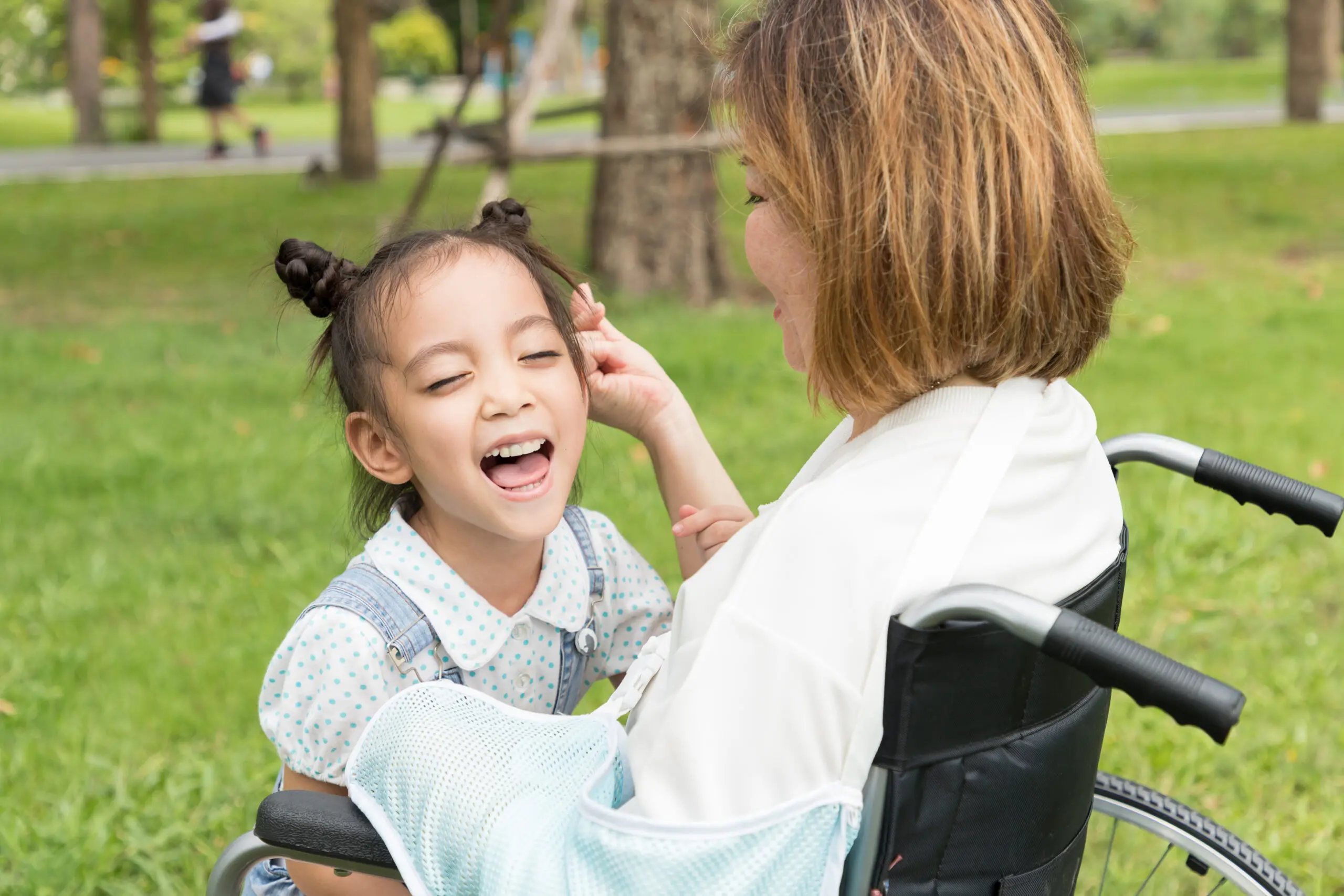
A young girl spending time with her grandmother at home

The promise behind the model

You should feel known, seen, and supported—not like a case number.

Statewide access matters. So does knowing who is responsible when you have a question, when your caregiver needs support, when something changes, or when you want to be more connected to your community.

More than a DSP. A care team that knows you and follows through.

Regional care questions

What people ask most.

Plain answers about counties, care-team responsibility, DSP oversight, caregiver changes, matching, authorization, and follow-through.

Is Empowered Services available statewide?

Empowered Services is certified statewide and welcomes service inquiries from all 36 Oregon counties. Specific services, assignments, and start timing depend on authorization, workforce capacity, service fit, caregiver availability, onboarding, and the person’s approved plan.

What does the Regional Care Model mean for me?

It means statewide reach is organized through regional leadership and county-level accountability. You have a named care team, a clear contact for day-to-day questions, and a defined escalation path when something needs more support.

Who is my main contact at Empowered Services?

Your named care contact may be a Care Manager or Care Coordinator, depending on your county and assigned team. The Care Manager remains accountable for county-level care and DSP workforce outcomes, while Care Coordinators provide frontline coordination and delegated oversight around assigned care relationships.

Who oversees my DSP?

Care Managers hold formal county-level DSP accountability and supervision. Care Coordinators may have delegated frontline oversight of assigned DSPs, including communication, check-ins, documentation, and early issue resolution. Human Resources retains employment controls such as screening, records, investigations, compensation administration, and final employment actions.

What happens if my regular caregiver is unavailable?

Tell your care team as soon as possible. The team reviews your approved plan, preferences, schedule, and available options and helps coordinate the next step. Backup planning is part of care coordination, but a replacement worker or uninterrupted coverage cannot be guaranteed.

Can I bring someone I already know as my caregiver?

In some situations, yes. Empowered Choice allows a trusted family member, friend, neighbor, or longtime supporter to be considered for employment as the person’s DSP when authorization, relationship, program, screening, training, and employment requirements are met.

What if I do not already know a caregiver?

Empowered can help explore possible caregiver fit. The Empowered Match Method considers Readiness, Relationship, and Real Life. The person can meet possible caregivers, ask questions, consider the connection, and decide whether they want to move forward.

Does Empowered Services determine I/DD eligibility or authorize service hours?

No. Empowered Services does not determine I/DD eligibility or authorize service hours. Your local Community Developmental Disabilities Program (CDDP) determines I/DD eligibility. A Services Coordinator or Personal Agent provides case management and helps assess needs, develop the person’s plan, and find and use authorized services and supports. Empowered Services provides services within the approved plan and applicable authorization.

How does Empowered stay connected after services begin?

The care team uses check-ins, documentation, required reporting, care-quality review, communication with authorized partners, and follow-through on changes or open tasks. Regional teams can also help connect people with local resources, events, activities, and community relationships.

Your next step

Find the care team connected to your county.

Start Customer Intake if you are exploring services. Use the care-team finder if you are already connected or want to see the regional structure. Or call and we will help you find the right next step.

Statewide Oregon · English & Spanish support · Oregon Relay 711